
Introduction
In today’s fast-moving digital economy, businesses are under constant pressure to increase efficiency, reduce costs, and deliver seamless customer experiences. Traditional automation helped organizations streamline repetitive tasks, but it lacked intelligence and adaptability. With the rise of Artificial Intelligence (AI), automation has entered a new era — one where machines don’t just follow instructions but learn, adapt, and make decisions.
AI-powered automation is no longer a futuristic concept; it is transforming industries in real-time, from finance and healthcare to logistics, manufacturing, and retail. By integrating Artificial Intelligence development solutions into core operations, companies are finding new ways to scale faster, improve decision-making, and unlock innovation.
This blog explores how AI-powered automation is reshaping business processes, its impact across industries, and the steps companies can take to adopt it effectively.
What Is AI-Powered Automation?
AI-powered automation combines traditional process automation with advanced AI capabilities such as machine learning, natural language processing (NLP), and computer vision. Unlike basic automation systems that follow predefined rules, AI-powered automation can:
Analyze data in real-time.
Predict outcomes and optimize processes.
Understand and respond to human language.
Adapt workflows dynamically without human intervention.
This makes AI-driven systems smarter, more efficient, and capable of handling complex business scenarios that rule-based automation alone cannot manage.
Key Benefits of AI-Powered Automation
Increased Efficiency
AI-driven systems streamline workflows, eliminating manual errors and reducing processing time. For instance, automated invoice processing powered by AI can reduce operational costs by up to 70%.Better Decision-Making
AI can analyze massive datasets quickly, uncovering insights that help businesses make data-backed decisions. Predictive analytics in supply chain management is a great example of this.Enhanced Customer Experience
With AI chatbots and intelligent virtual assistants, companies deliver 24/7 customer support with personalized responses, improving satisfaction and loyalty.Scalability
AI automation allows organizations to scale operations without proportional increases in workforce, making growth more cost-effective.Innovation and Agility
By taking over repetitive tasks, employees are freed to focus on higher-value work like innovation, strategic planning, and creativity.
How AI-Powered Automation Transforms Business Functions
1. Finance and Accounting
AI automates invoice processing, fraud detection, and compliance monitoring. Robotic Process Automation (RPA) integrated with AI can reconcile accounts and flag anomalies in real time.
2. Human Resources (HR)
AI helps with candidate screening, resume parsing, and employee engagement monitoring. Chatbots handle employee queries, while predictive analytics supports workforce planning.
3. Supply Chain and Logistics
AI predicts demand, optimizes routes, and manages inventory levels automatically. For logistics providers, AI-driven automation reduces delivery times and lowers fuel costs.
4. Manufacturing
Smart factories leverage AI for predictive maintenance, quality control, and real-time monitoring of production lines. This reduces downtime and enhances productivity.
5. Customer Service
AI-powered virtual assistants and sentiment analysis tools improve customer interactions by understanding emotions and providing contextual responses.
6. Marketing and Sales
AI analyzes customer behavior, segments audiences, and automates personalized campaigns. It also scores leads and recommends the best next actions for sales teams.
In the middle of this transformation journey, companies often partner with an experienced Artificial Intelligence development company to design scalable solutions that fit their specific industry needs.
Real-World Applications of AI Automation
Banking: Fraud detection systems powered by AI stop suspicious transactions instantly.
Retail: Personalized shopping experiences through AI-driven product recommendations.
Healthcare: Automated diagnostic tools support doctors with faster and more accurate results.
Transportation: AI predicts vehicle breakdowns and ensures proactive maintenance.
These examples highlight how AI is no longer a support tool but a core driver of business transformation.
Challenges in Adopting AI-Powered Automation
While the benefits are clear, businesses face some challenges:
High Implementation Costs: Initial setup and integration may require significant investment.
Data Privacy and Security Concerns: Handling sensitive information requires robust safeguards.
Skill Gaps: Many organizations lack the expertise needed to develop and maintain AI systems.
Resistance to Change: Employees may fear job displacement, leading to adoption hurdles.
To overcome these challenges, organizations often rely on Artificial Intelligence development services that provide custom solutions, training, and support.
The Role of AI Agents in Automation
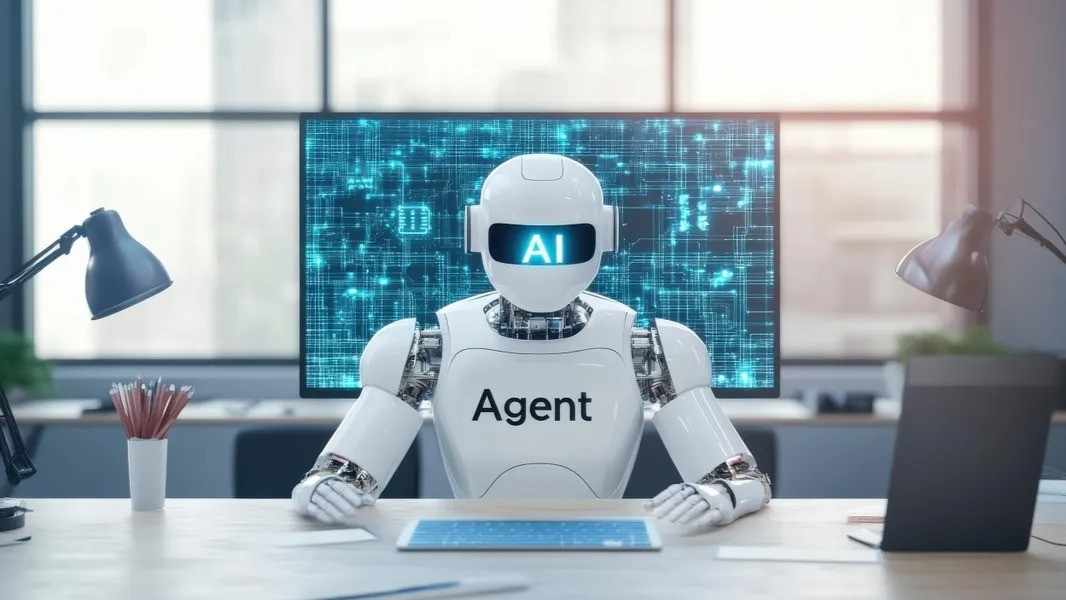
Beyond traditional automation, AI agents are emerging as game changers. These agents are designed to operate autonomously, make decisions, and interact with both humans and machines. For example:
Virtual HR assistants managing employee queries.
Smart procurement agents negotiating with vendors.
IT service agents resolving technical issues proactively.
Many organizations now invest in ai agent development services to enhance automation beyond repetitive tasks, making workflows more adaptive and intelligent.
Steps to Implement AI-Powered Automation
Identify Use Cases
Start with processes that are repetitive, high-volume, and data-driven.Assess Readiness
Evaluate existing infrastructure and ensure clean, structured data is available.Choose the Right Technology Partner
Collaborating with experts allows businesses to build scalable AI systems tailored to their needs.Pilot Projects
Begin with small-scale projects, measure results, and scale gradually.Employee Training
Upskill the workforce to work effectively with AI-driven systems.Continuous Optimization
AI systems must be monitored and updated regularly to stay effective.
Organizations that hire Artificial Intelligence developer teams gain a competitive edge by deploying customized solutions faster and more effectively.
Future of AI-Powered Automation
AI automation is expected to evolve in the following ways:
Hyperautomation: A combination of RPA, AI, and machine learning to automate end-to-end processes.
Industry-Specific AI Models: Tailored models for healthcare, finance, and logistics.
Conversational AI: More advanced chatbots and virtual assistants with near-human intelligence.
AI + IoT Integration: Real-time automation in connected devices and smart factories.
Ethical AI Frameworks: Ensuring fairness, transparency, and accountability in AI-driven decisions.
Conclusion
AI-powered automation is not just reshaping business processes — it is redefining the very nature of how businesses operate, innovate, and compete. From streamlining operations and improving customer experiences to driving data-driven decision-making, AI is proving to be a critical enabler of modern business success.
As organizations embrace this shift, the key to success lies in strategic adoption, workforce readiness, and continuous innovation. Partnering with an expert ai development company ensures that businesses stay ahead in this rapidly evolving landscape.
By leveraging the right tools, solutions, and talent, companies can unlock the full potential of AI-powered automation and secure long-term competitive advantage.









Write a comment ...